
Manage cash payments with a compliant cash book
If you are a tradesperson or retailer and your customers regularly pay you in cash, you are legally required to keep a cash book, cash register log or cash journal.

If you are a tradesperson or retailer and your customers regularly pay you in cash, you are legally required to keep a cash book, cash register log or cash journal.
You record cash receipts and cash disbursements when your customers pay for your products or services in cash. You will need to put good practices in place to provide the follow-up required by the regulations, which means keeping a paper cash book, or using a cash register or compliant point-of-sale software.
In fact, you are subject to this obligation as soon as you handle cash as part of your business, because it is the only payment method that leaves no electronic trail that the tax authorities can easily trace.
Let's look at what this involves and how eKo CRM can help you comply with the regulations.
Cash book, cash journal: what are we talking about?
It is an accounting document that lists, daily, chronologically and in detail, the transactions carried out in cash (money in or out). With this document you keep regular track of your till, making it easier to prepare your financial statements and balance sheets, and you can justify cash flows (accounting evidence) in the event of a tax inspection.
In France, since the Finance Act applicable from 1 January 2018, all VAT-registered professionals who use a till system or point-of-sale software must make sure that it meets the criteria of data inalterability, security, retention and archiving. This compliance must be proven by a certificate issued by the solution provider. French retailers should note the special case of regulated measuring instruments, such as scales with a payment memory function, which must also meet these compliance obligations. Generally speaking, as soon as you record your receipts and disbursements using an electronic solution and you handle cash, cash movements must be tracked using a cash journal.
To find out whether these regulations apply to you:

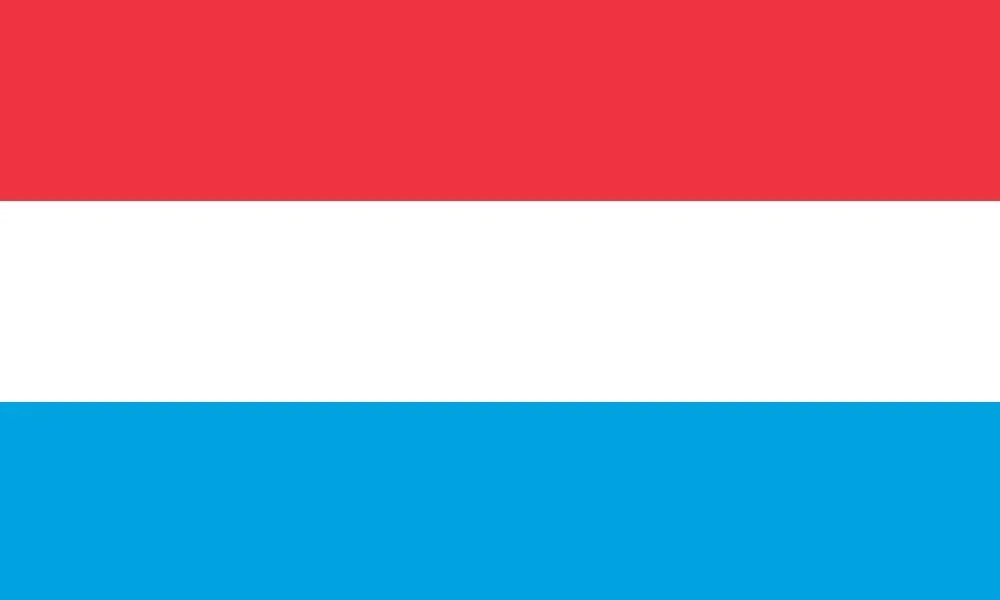
In Luxembourg, the regulations are less restrictive but still require retailers to keep appropriate accounts.
What are the risks of failing to meet these obligations?
The risks are many and the consequences can be serious for your business:
- Penalties and fines
- Rejection of your accounts
- Tax reassessment
It is therefore vital to meet the regulatory requirements and ensure sound cash management within your business.
What does the cash book contain?
The cash book or cash journal must record all the information about every transaction carried out in cash (purchase or sale). It includes:
- Document number.
- The till balance at the start of the day (the previous day's closing balance)
- Details for each transaction: date of the transaction, description of the transaction, identity of the customer or supplier, amounts excluding and including VAT, and the applicable VAT rate.
- The till balance at the close of the day (amount to be carried forward to the next day)
Remember to check your till balance daily so that errors are easier to track down.
What is the difference between a Z report and a cash journal?
The Z report is a daily closing report that summarises all the day's transactions and resets the till.
The cash book, on the other hand, continuously records all cash transactions, both in and out, with no daily reset.
How does eKo CRM help you manage cash?
Indeed, what could customer management software possibly have to do with the obligation to keep a cash journal? It's very simple!
eKo CRM includes a quote/invoice management module and lets you record your receipts, and users issue A4 invoices. But for our users (retailers or tradespeople) who let their customers pay in cash, eKo also includes a till module (with simple cash register features, including the option of using a barcode scanner) and a cash journal for recording and tracking cash.
These users are wine merchants, IT services companies, heating engineers… they appreciate being able to manage all their receipts in a single solution: card, cheque, cash…
Conclusion
Nothing should be left to chance when it comes to handling cash in your business. By keeping a compliant, up-to-date cash book, you not only meet your legal obligations but also protect your accounts in the event of an inspection. With eKo CRM, you have a simple, comprehensive tool to centralise your receipts, whatever the payment methods used. Time saved, peace of mind… and guaranteed compliance.